
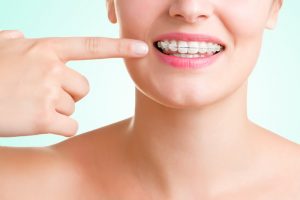
Professional orthodontic treatment can sometimes be shrouded in erroneous information. Here are 10 debunked myths about orthodontic treatments.
1. Any professional offering orthodontic treatment is an orthodontist
Only a doctor who has completed the additional advanced training required to become a certified orthodontist can call themselves an orthodontic specialist. Look for an American Association of Orthodontists certified orthodontist to be sure.
2. Braces are too expensive
Braces have lifelong benefits that improve your health, appearance, and can restore confidence. All things considered, braces are a bargain.
3. Straightening teeth will take years
The timeframe you will wear your braces varies from patient to patient. Minor changes can take only a few months.
4. Braces only change your appearance
Braces can improve your oral health, properly align your jaw and can enhance daily normal practices such as chewing, speaking and biting.
5. Metal braces work best
Today there are new treatments that allow you to choose what suits your needs, including aligner trays for adults that are removable and convenient, as well as clear braces with ceramic brackets and clear wires.
6. Mail Order orthodontic treatments are safe
Patients need to see their orthodontist personally during their treatment period to ensure the gums, teeth, and jaw are being properly monitored. At-home treatments are high risk and can cause irreversible damage.
7. You can straighten your teeth yourself
Orthodontists warn patients of the dangers in the recent trend of DIY teeth straightening techniques. There is always a risk for non-professionals.
8. Only children and teenagers can straighten their teeth
Modern techniques allow adults to achieve a healthy, beautiful smile too.
9. Braces break easily
Permanent/fixed braces are cemented to your teeth, making them relatively durable and able to withstand normal use.
10. Treatment results will last a lifetime
Once your braces are removed, your teeth naturally attempt to move back to their former state. A removable retainer should be used until your bone registers the changes as permanent.


